Santa Maria Maggiore Rome
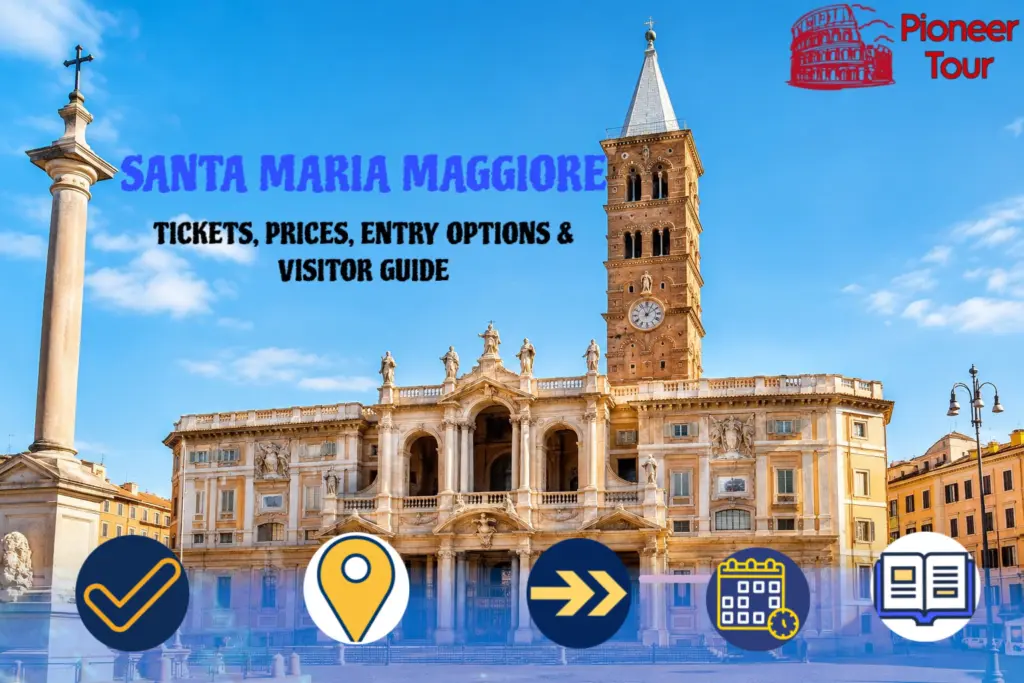
Santa Maria Maggiore Rome is one of the most remarkable religious landmarks in the Italian capital. Santa Maria Maggiore offers a fascinating glimpse into Rome’s religious heritage, where centuries-old artistic details meet the traditions of the Catholic Church. As visitors explore its interior, they can discover intricate biblical mosaics, distinctive architectural features, and chapels that reflect different periods of history. The basilica is an appealing stop for anyone who wants to understand Rome beyond its famous ancient monuments. It is also an important place of worship, making it different from many other tourist attractions in the city.
Before heading to Santa Maria Maggiore, it is worth checking the visitor guidelines, available admission options, and daily visiting schedule. Having these details in advance can make it easier to plan your itinerary and enjoy your time at the basilica. The main basilica generally offers free admission, while access to certain museum and archaeological areas may require a separate ticket. Visitors can also explore priority-entry options for a more organised experience.
This guide explains what to expect, what to see, and how to prepare for your visit.
What Makes Santa Maria Maggiore Worth Visiting?
Among Rome’s most important Catholic landmarks, Santa Maria Maggiore holds a special place as one of the four major papal basilicas of the city. It is also known as the Papal Basilica of Saint Mary Major and the Basilica Papale di Santa Maria Maggiore.
Its history dates back to the fifth century, and the building preserves an extraordinary collection of religious art and architectural features. The interior combines ancient mosaics, marble decorations, impressive chapels, and elements added during later periods.
Unlike attractions that focus mainly on one historical period, this church brings together different stages of Rome’s artistic and religious development. Visitors can admire early Christian mosaics alongside later architectural additions.
The basilica is also an active place of worship. Religious services and special celebrations may affect access to certain areas, so it is sensible to check the official visitor information before travelling.
Whether you have a strong interest in religious history or simply want to discover a lesser-known side of Rome, this landmark deserves consideration on your itinerary.
Santa Maria Maggiore Tickets and Entrance Options
One of the first things to understand when planning a visit is the difference between entering the basilica itself and accessing its additional visitor attractions.
Free Admission to the Main Church
The main basilica generally offers free admission for visitors. You do not normally need to purchase a standard entrance ticket simply to enter the church for a visit, subject to its current access rules and religious activities.
This makes it a useful stop for travellers who want to experience Rome’s cultural heritage without adding another standard attraction ticket to their budget.
However, free admission does not automatically include every museum, archaeological space, or special visitor experience connected with the complex.
Paid Museum and Special-Area Access
Some additional areas, including the Liberian Historical Museum, the Blessing Loggia, and archaeological spaces, may require separate tickets or reservations.
The available options and prices can change. Check the basilica’s official visitor information before deciding which areas you want to explore.
If you are interested in more than the main church, compare the available inclusions carefully. This helps you understand what your ticket covers before making a booking.
Priority Entry for a More Convenient Visit
Travellers who prefer a more organised arrival can consider a priority-entry option.
The Santa Maria Maggiore Priority Entry Ticket from Pioneer Tours is designed for visitors who want priority access and the flexibility to explore independently.
According to the product information, the experience includes access to the basilica and specified museum areas, including the Liberian Museum and the Blessing Loggia. Review the current inclusions, meeting instructions, and ticket conditions before purchasing.
Priority entry should not be confused with a guarantee of immediate admission. Mandatory security checks may still apply, and waiting times can vary.
Santa Maria Maggiore Rome Ticket Prices
The cost of visiting depends on which areas you want to explore and whether you choose an additional visitor service.
| Entry option | What to know |
| Main basilica | General admission is normally free |
| Museum and special areas | Separate fees or reservations may apply |
| Priority-entry experience | A paid option with specific inclusions |
| Guided visit | Availability and pricing depend on the experience selected |
The main church and paid visitor areas have different entry arrangements. Therefore, there is no single ticket price that applies to every possible visit.
At the time of checking, Pioneer Tours displayed its Santa Maria Maggiore Fast Track Entry Ticket at a promotional price of €15, reduced from €18. Prices and availability can change, so confirm the current amount on the official Pioneer Tours product page.
Before purchasing, check whether the ticket covers the areas you want to see, whether a particular time or meeting point applies, and whether any additional charges are listed.
Booking the right option is more useful than paying for access you do not need.
When to Visit Santa Maria Maggiore: Visiting Hours and Planning Tips
Checking the opening schedule is an important part of planning your trip. The basilica’s hours can differ from those of its museum and other visitor areas.
The official visitor information has listed the main church as open daily from 7:00 AM to 6:30 PM, with last entry at 6:00 PM. Hours may change, so check the current schedule before your visit.
Museum and special-area opening times can follow a separate timetable. Some areas may have different Sunday hours, and religious celebrations can affect access.
When Should You Arrive?
Arriving in the morning may give you a more relaxed opportunity to look around the basilica before visitor numbers increase later in the day. It may also give you more time to appreciate the architecture without feeling rushed.
Late afternoon can suit visitors who have spent the morning exploring other parts of Rome.If you plan to explore more than the main basilica, check the admission schedule beforehand and arrive with sufficient time to see the areas included in your visit.
Weekends, religious holidays, and major celebrations can bring changes to the usual visitor arrangements. Check the schedule rather than relying entirely on an older travel guide.
For the most reliable information, consult the official Santa Maria Maggiore website before setting out.
Highlights to Discover Inside the Basilica
The building contains several features that make it worth exploring slowly rather than treating it as a quick photo stop.
Ancient Mosaics
The mosaics are among the basilica’s most important artistic treasures. Some date to the fifth century and preserve examples of early Christian visual storytelling.
Look carefully at the scenes, figures, and decorative details. These works provide insight into how religious stories and beliefs were communicated through art in earlier centuries.
The Decorated Ceiling
The ceiling is another striking feature of the interior. Its rich decoration contributes to the sense of grandeur that visitors experience when entering the church.
Take a moment to look upwards and appreciate how the ceiling, columns, and other architectural elements work together.
The Pauline Chapel
The Pauline Chapel is one of the basilica’s notable religious spaces. It is associated with the veneration of the image of Salus Populi Romani, an important Marian icon in Roman Catholic tradition.
Because the basilica remains an active place of worship, visitors should follow any restrictions in place around chapels and devotional areas.
The Sistine Chapel of Santa Maria Maggiore
Santa Maria Maggiore also has a chapel known as the Sistine Chapel. It should not be confused with the famous Sistine Chapel in the Vatican Museums.
The two are different sites with distinct histories and artistic features. If you are planning to visit both during your stay in Rome, make sure you allow time for each location separately.
The Tomb of Gian Lorenzo Bernini
The basilica is also associated with the burial place of the celebrated Baroque artist Gian Lorenzo Bernini.
This connection adds another layer of artistic interest to a building already known for its mosaics, chapels, and religious history.
The features you can access may depend on the areas open to visitors during your visit.
How to Reach the Basilica
Santa Maria Maggiore stands at Piazza di Santa Maria Maggiore in central Rome. Its location makes it a practical stop when exploring the city’s historic centre.
Rome’s Termini railway station is within walking distance, making the basilica convenient for visitors arriving by train or using public transport.
You can also reach the surrounding area by taxi or local bus, depending on where you are staying. If you are walking from another attraction, check the route and allow extra time for traffic, crowds, and pedestrian areas.
Use the exact entrance and meeting-point details provided with your booking if you have purchased a priority-entry experience. Do not assume that every ticket holder should meet at the same location.
Is Priority Entry the Right Choice?
Whether priority entry is worthwhile depends on your plans and the type of visit you want.
If you only want to enter the main church, free admission may be sufficient. You may not need a paid product at all.
A priority-entry ticket may be more suitable if you want the specific additional access listed in a commercial experience and prefer to arrange your visit in advance.
Before booking, consider these questions:
- Do you want to visit only the main basilica, or explore museum and special areas too?
- Does the ticket include the attractions you intend to see?
- Are there any time restrictions or meeting instructions?
- Is the priority-entry benefit clearly explained?
- Are mandatory security checks or other access restrictions still applicable?
For visitors interested in the paid experience, the Pioneer Tours Santa Maria Maggiore Priority Entry Ticket is one option to compare.
Read the product details carefully and check the final price before completing your booking. This helps you select an option that matches your itinerary rather than paying for features you will not use.
Visitor Rules and Practical Tips
Santa Maria Maggiore is both a historic attraction and a sacred place. A little preparation will help you enjoy the visit while respecting its religious purpose.
Dress appropriately. Choose clothing suitable for a place of worship. Covering your shoulders and knees is a sensible precaution, particularly when visiting during religious services.
Respect religious activities. Keep your voice low, follow staff instructions, and avoid interrupting worshippers.Access to certain parts of the basilica may be limited at times when religious services or special events are taking place.
Check photography rules. Before taking pictures, check the photography guidelines, as some sections of the basilica may have specific restrictions. Follow posted instructions and any restrictions announced by staff.
Allow time for security. Even when you have a priority-entry ticket, mandatory screening may apply. Arrive according to the instructions provided with your booking.
Check accessibility arrangements. If you have mobility requirements, contact the basilica or your ticket provider in advance to confirm access to the areas you plan to visit.
Keep your booking details available. If you purchase a digital ticket, make sure you can access the confirmation and any entry instructions on your phone.
These simple steps can help you avoid unnecessary confusion and make your visit more comfortable.
How Long Should You Spend at Santa Maria Maggiore?
The time required depends on your interests and the areas you intend to explore.
A short visit may be sufficient if you want to see the main church and appreciate its principal architectural features. If you enjoy religious art, mosaics, and historic chapels, you may prefer to take more time.
Visitors who plan to include museum or archaeological areas should check the estimated duration of the specific experience. The time required can vary according to the available access, the visitor’s pace, and any restrictions in place.
Pioneer Tours lists an approximate duration of one to one and a half hours for its Santa Maria Maggiore Fast Track Entry Ticket. Check the product page for the latest details and clarify whether the stated duration applies to the organised experience or the overall visit.
If you are building a full-day Rome itinerary, avoid scheduling this visit too tightly between other attractions. Allow extra time for walking, security, and unexpected changes.
Frequently Asked Questions
Do you need a ticket to enter Santa Maria Maggiore?
General admission to the main basilica is normally free. Certain museum, archaeological, and special visitor areas may require a separate ticket or reservation.
How much do Santa Maria Maggiore tickets cost?
There is no single price for every type of visit. The main church is generally free to enter, while additional visitor experiences may be paid. Check the official website and the current product price before booking.
Can you book Santa Maria Maggiore tickets online?
Some paid visitor experiences can be reserved online. You can review the available details for the Pioneer Tours priority-entry ticket and confirm the included areas and booking conditions before purchasing.
What are the opening hours?
The official visitor information has listed the main basilica as open daily, with hours differing from those of the museum areas. Check the current schedule before travelling because opening times and access arrangements can change.
Is priority entry the same as skipping every queue?
No. Priority-entry benefits depend on the ticket’s specific conditions. Visitors may still need to pass through mandatory security screening, and waiting times can vary.
Is Santa Maria Maggiore worth visiting?
Yes, particularly if you are interested in early Christian art, historic architecture, religious heritage, and the cultural history of Rome. Its mosaics, chapels, and long history make it a worthwhile stop for many travellers.
Plan Your Visit to Santa Maria Maggiore Rome
Santa Maria Maggiore offers a different perspective on Rome’s history, combining religious significance with remarkable artistic and architectural features. From ancient mosaics to richly decorated chapels, there is plenty to appreciate even during a relatively short visit.
Before you go, check the latest opening hours, decide whether you want to visit only the main basilica or explore additional areas, and confirm any ticket requirements.
If priority access and the specific additional inclusions suit your plans, explore the Santa Maria Maggiore Priority Entry Ticket from Pioneer Tours. Reviewing the details in advance can help you choose the right option and organise a more convenient visit.
With the right preparation, you can enjoy this important Roman landmark at a comfortable pace while respecting its role as a place of worship.